

Written by: Denise Therese Anne A. Palisoc • Edited by: Finaflor F. Taylan, DprofSt, RSW
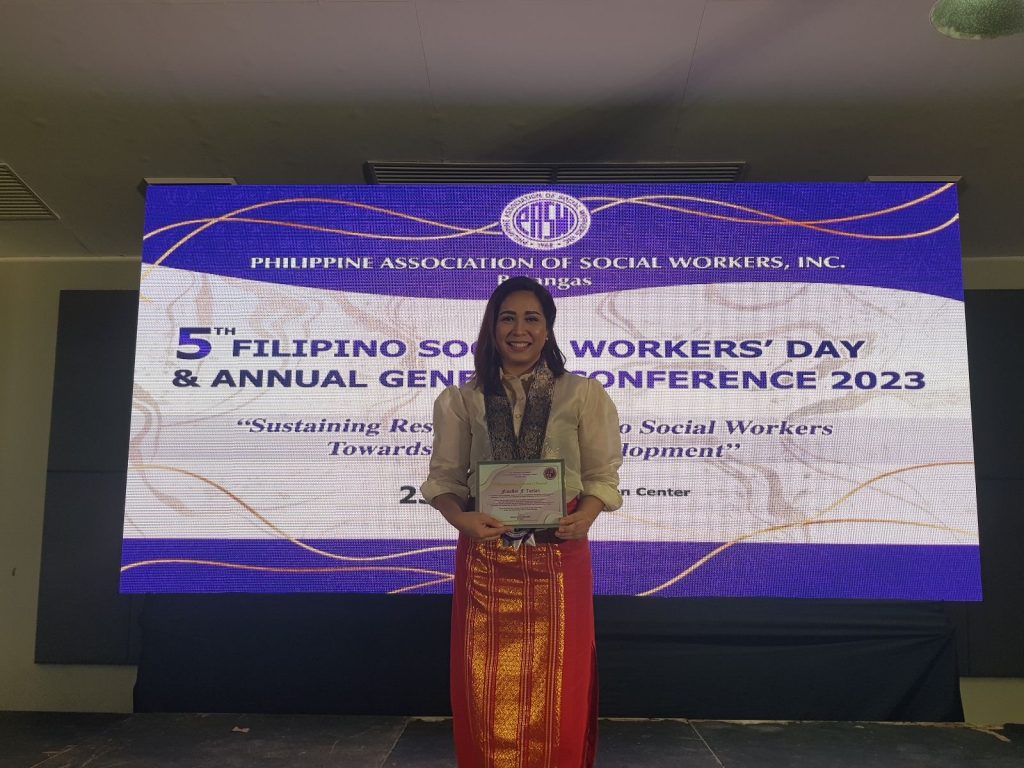
Dr. Finaflor F. Taylan, the program chair of the Diploma in and Master of Social Work (DMSW), in the Faculty of Management and Development Studies (FMDS), was awarded the Meritorious Service Award by the Philippine Association of Social Workers, Inc. (PASWI) Batangas Chapter in its Annual Awards 2023. The said award is given to members in recognition of their steadfast and dedicated service in the pursuit of professional excellence, beyond their work. Moreover, the Meritorious Service Award recognizes Dr. Taylan’s superior contributions to making the social work profession become of better service to the marginalized and disadvantaged sectors.
She was invited to receive the award and deliver her acceptance speech on June 23, 2023, at the Taal Convention Center, Batangas during the chapter’s Annual General Conference in time for the 5th Filipino Social Workers’ Day 2023 celebration, where registered social workers in the Province of Batangas attended.
Dr. Taylan has been a social worker for almost 20 years and has been working as a faculty of UPOU for 11 years teaching Social Work and Gender courses and also serves as the Director of the Office of Gender Concerns of UPOU. Dr. Taylan also sits as the Vice President of the National Association for Social Work Education, Inc. and was recently elected as President of the Asian Association of Women’s Studies. She also was given the Community Service Award by the University of Southern Queensland in October 2020 for her volunteer work for the community, where she finished her degree in Doctor of Professional Studies in 2021.
Among her notable contributions to the Social Work profession are the following: offering of free webinars to the public on social work and development topics, free psychosocial support during the pandemic, participation in the discussions on the revision of Social Work laws, development of practice standards and areas of specialization for advanced Social Work practice in the Philippines, and drafting of the Asia -Pacific amplified definition of Social Work.
Source: https://fmds.upou.edu.ph/archives/news-and-events/3860/
Alumni Milestones
Pinoy archaeologist helps rewrite human history in Southeast Asia
New findings from a cave in northern Laos add to a growing body of evidence that modern humans arrived in Southeast Asia over 80,000 years ago, tens of thousands of years earlier than previously thought. The groundbreaking findings were recently published in the prestigious journal, Nature.
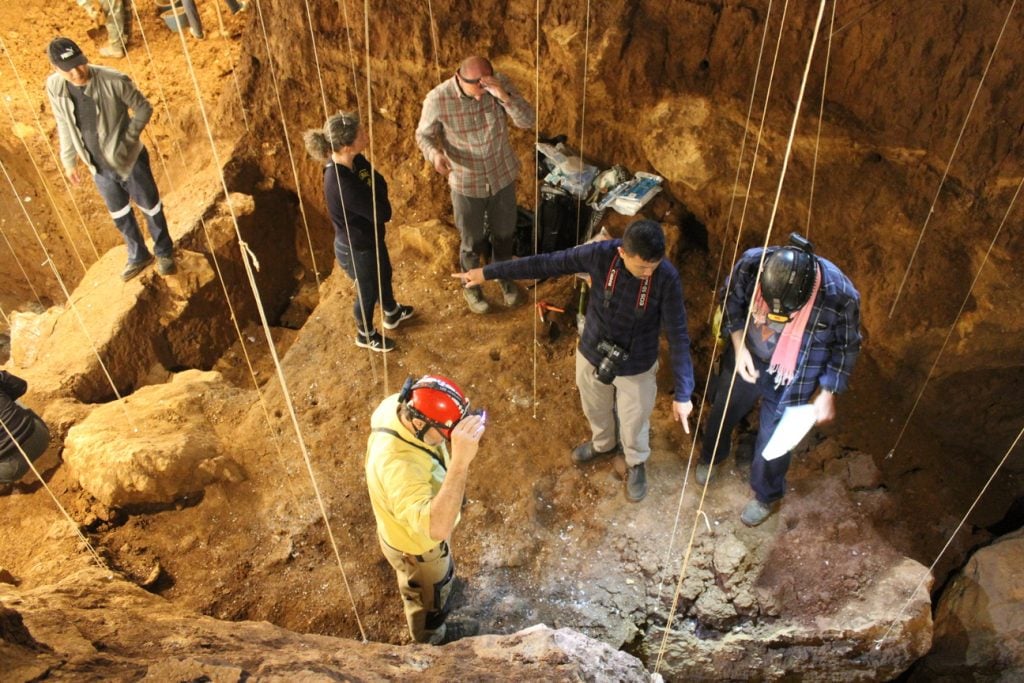
Analyses of fossils and sediments from Tam Pà Ling (“Cave of Monkeys” in Lao) by an international team of scientists—including a Filipino researcher formerly from the University of the Philippines (UP) and currently at the Flinders University Microarchaeology Laboratory in South Australia—has pushed back the time when we know our species, Homo sapiens, was present in Mainland Southeast Asia.
The newly-discovered fossils provide unmistakable evidence of the presence of modern humans in northern Laos as far back as 86,000 years ago. This is almost 20,000 years older than most of the evidence from sites so far studied in Southeast Asia and adds further confirmation of a pre-60,000-year-old dispersal of modern humans into East Asia.
“This discovery is helping us better understand the distribution of our direct ancestors at a time when we know other populations of humans, now extinct, existed,” said Vito Hernandez, the Filipino geoarchaeologist who is part of the team that published these recent findings from Tam Pà Ling.
This research in northern Laos, including a previous discovery of now-extinct humans known as Denisovans present between 164,000 and 131,000 years ago in Tam Ngu Hao 2 (“Cobra Cave”) located in the same mountain as Tam Pà Ling strongly suggests that this part of Southeast Asia is an early human dispersal route. “This proves that our human ancestors also traveled along forests and river valleys apart from following islands and coastlines as they moved eastward to Australia, where they are controversially thought to have migrated as early as 65,000 years ago,” Hernandez explained.
“Analyses of the fossils in Tam Pà Ling suggest that these early modern humans were part of an immigrant population, but whether their genetic line successfully survives in current populations is yet to be determined,” he added.
Initially, fossils from Tam Pà Ling were hard to date, resulting in skepticism about previously-presented evidence from the cave. This led the geochronology and geoarchaeology specialists of the team to strategically apply their techniques to ascertain how the dated sediments relate to the fossils, and determine a precise age for both.
“The dating and the quality of fossil preservation is important as we’ve seen from research led by scientists like Professor Armand Mijares at the UP School of Archaeology, but as we’ve also seen from our research and other human evolutionary research like in Denisova cave in Russia, a very close collaboration between the Earth and Human sciences is necessary if we are to achieve a more complete picture of how humans evolved and settled into different parts of the world,” he elaborated.
Hernandez was formerly part of the UP Archaeological Studies Program, now the UP School of Archaeology, where he obtained his Master of Science and taught undergraduate classes in Archaeology. He was also part of the Science and Society Program of the UP Diliman College of Science (UPD-CS), where he managed classes in Science, Technology and Society. “I hope to return after my research work in Australia and contribute to making our science serve Philippine society,” he concluded.
For interview requests and other concerns, please contact [email protected].
Sources:
Freidline, S. E., Westaway, K. E., Joannes-Boyau, R., Duringer, P., Ponche, J.-L., Morley, M. W., Hernandez, V. C., McAllister-Hayward, M. S., McColl, H., Zanolli, C., Gunz, P., Bergmann, I., Sichanthongtip, P., Sihanam, D., Boualaphane, S., Luangkhoth, T., Souksavatdy, V., Dosseto, A., Boesch, Q., … Demeter, F. (2023). Early presence of Homo sapiens in Southeast Asia by 86–68 kyr at Tam Pà Ling, Northern Laos. Nature Communications, 14(1). https://doi.org/10.1038/s41467-023-38715-y
UP scientists invent semi-automated fish monitoring device
Monitoring the health of marine environments is a laborious activity, but is essential for evaluating the success of reef protection and rehabilitation initiatives. A fish census commonly involves divers swimming along a transect line, usually marked by a plastic cord, and visually counting and identifying the fish species that they encounter. This painstaking process requires trained experts and highly knowledgeable divers to accurately record data on species, size, and abundance.
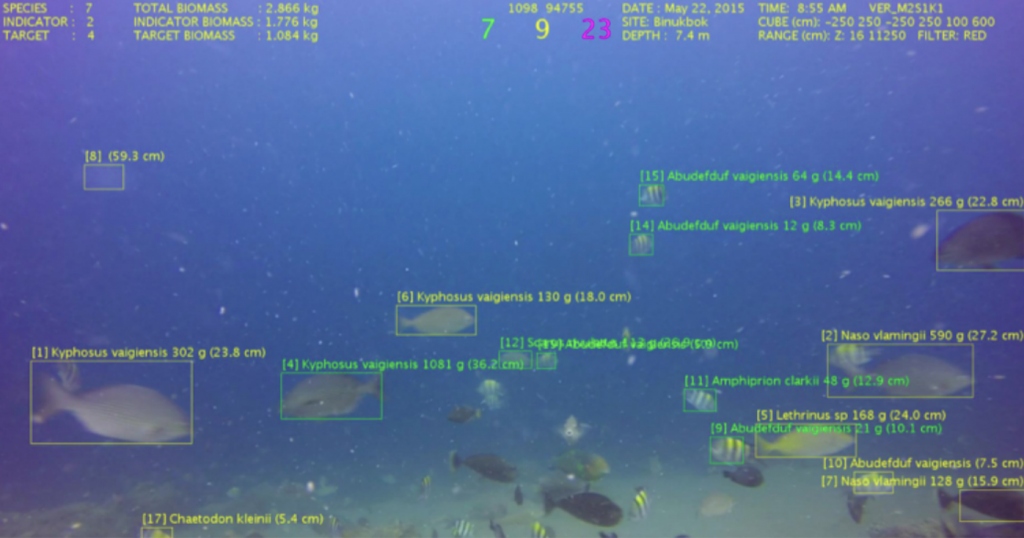
In 2016, Dr. Laura David of the University of the Philippines – Diliman College of Science Marine Science Institute (UPD-CS MSI), together with co-author machine intelligence expert Prof. Prospero C. Naval, Jr. of the UP Department of Computer Science (UPD-DCS) presented a conference paper entitled, “FishDrop: Estimation of Reef Fish Population Density and Biomass using Stereo Cameras” which proposed a semi-automated method that combines a stereo camera rig and image recognition software to allow for more efficient and accurate reef fish census.
The proposed technology would enable divers with minimal training to obtain high-quality population and species distribution measurements using the specially developed stereo camera rig and fish video analyzer software.
FishDrop promises to help improve the Philippines’ reef resilience and biodiversity restoration efforts, and contribute towards the overall health of the country’s reef ecosystems.
This coming Monday, June 26, Dr. David is set to take the iStories stage to expound on ‘FishDrop’ and share their team’s journey not just in developing the technology, but also in successfully translating this groundbreaking innovation into a patent.
“Perseverance is necessary to get the concept and the product translated into a patent and commercial venture. It has not been an easy road,” says Dr. David. Like any other intellectual property and patent applications, the journey for FishDrop has been tedious, nevertheless rewarding. Dr. David hopes that through her sharing, she may inspire others to persevere with their own scientific endeavors despite the trudging process.
iStories is a series of innovation-themed talks, storytelling, and activities featuring local and international scientists. The initiative aims to ignite the creativity and inventiveness of young scientists not just from UPD-CS but from other institutes inside and outside UP.
Its fourth session is scheduled for June 26, 2023, 3:00 pm at the MSI Audio Visual Room and will also be live via Zoom. To join, you may register through this link https://bit.ly/iStories3rd.
The iStories series takes place at 3:00 pm on the last Monday of every month. Subscription to individual sessions or the entire iStories webinar series is also possible through the same registration form.
For inquiries about iStories, please message [email protected]
For interview requests and other media concerns, please contact [email protected]
Sources:
Naval, P. C., & David, L. T. (2016). FishDrop: Estimation of reef fish population density and biomass using stereo cameras. In 2016 Techno-Ocean (Techno-Ocean). DOI: 10.1109/Techno-Ocean.2016.7890710.
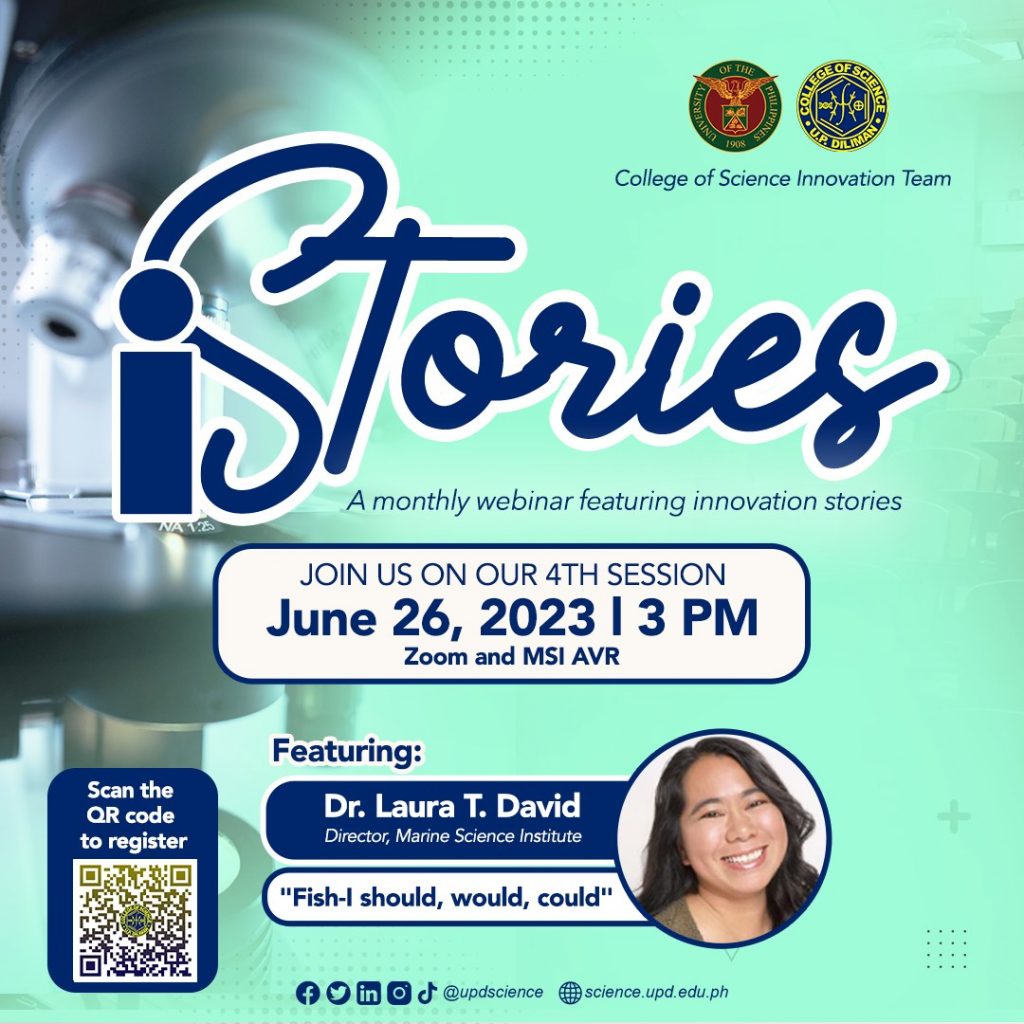
To join, register at https://bit.ly/istories4 or scan the QR code on the poster.
UP alumni, researchers recognized by the NAST PHL as outstanding Filipino scientists
Written by Celeste Ann Castillo Llaneta
Alumni and researchers of the University of the Philippines (UP) have been recognized by the National Academy of Science and Technology, Philippines (NAST PHL), the highest recognition body on science and technology, for their significant scientific contributions to the country.
The NAST PHL will introduce the new members of the Academy, the 2023 Outstanding Young Scientists, and the researchers who won scientific awards for 2023, in an awarding ceremony to be held on 13 July 2023. This is as the culminating activity of the 45th NAST Annual Scientific Meeting, according to the NAST’s official website.
NAST Academicians
Three UP scientists and alumni are among the four new NAST PHL Academicians. Membership to the Academy is given to resident Filipino scientists elected as Academicians who have made exemplary contributions to science and technology in the Philippines. The three new Academicians from UP are: Dr. Maria Corazon A. De Ungria (Microbiology) and Dr. Gil S. Jacinto (Chemical Oceanography), both from UP Diliman; and Dr. Roel R. Suralta (Agricultural Sciences) of the Philippine Rice Research Institute.
In addition, a UP alumnus, Dr. Leodevico L. Ilag (Microbiology and Immunology), will be conferred the title of new Corresponding Member, which is given to a non-resident Filipino scientist who has made exemplary contributions to the advancement of science and technology and who must have continuing connections and contributions to Philippine science.

Outstanding Young Scientists for 2023
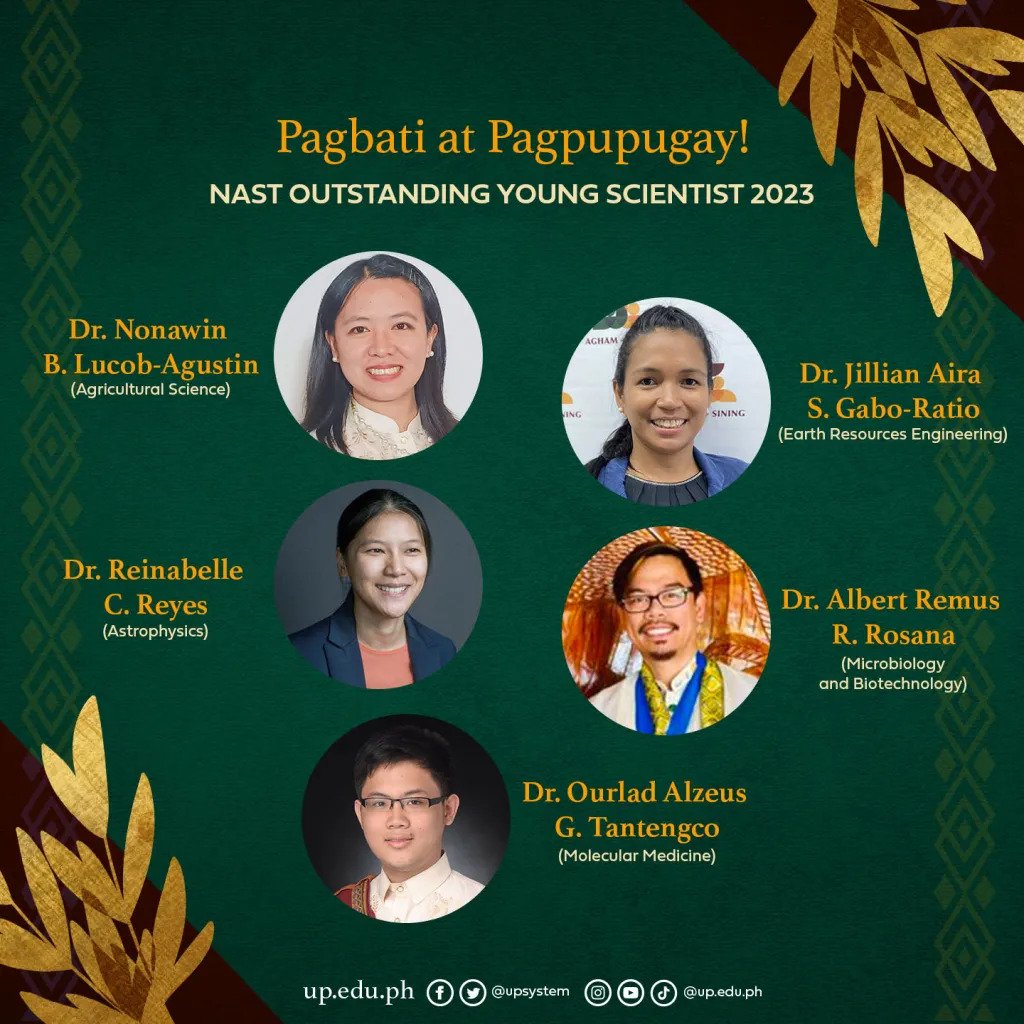
The NAST PHL will also award nine Outstanding Young Scientists (OYS) for 2023—young Filipino scientists below the age of 40 years old, who have made significant contributions to science and technology. Of the nine, five are members of the UP community:
- Nonawin B. Lucob-Agustin (Agricultural Science) of the Philippine Rice Research Institute;
- Jillian Aira S. Gabo-Ratio (Earth Resources Engineering) of UP Diliman;
- Reinabelle C. Reyes (Astrophysics), Associate Professor at the National Institute of Physics in UP Diliman;
- Albert Remus R. Rosana (Microbiology and Biotechnology) of the UP Los Baños; and
- Ourlad Alzeus G. Tantengco (Molecular Medicine) of UP Manila.
Outstanding Book/Monograph and Outstanding Scientific Paper Awardees
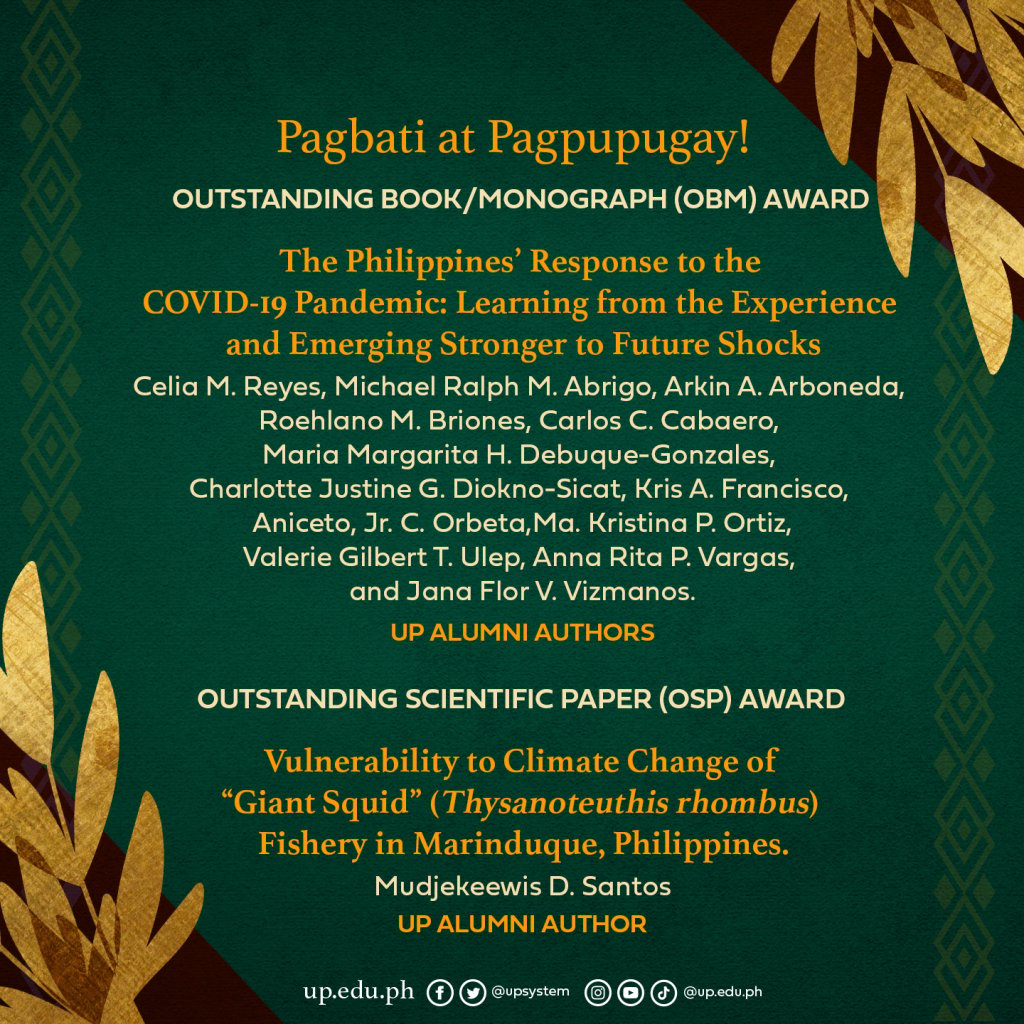
Several UP alumni will also be receiving the NAST’s 2023 Outstanding Book/Monograph awards, which is given annually for books and/or monographs published by Filipino publishers based in the Philippines within five years preceding the award, with the majority of the authors of publication being Filipinos.
One of the two winning books/monographs is titled “The Philippines’ Response to the COVID-19 Pandemic: Learning from the Experience and Emerging Stronger to Future Shocks”, published by the Philippine Institute for Development Studies in 2022. The UP alumni among its authors are: Celia M. Reyes, Michael Ralph M. Abrigo, Arkin A. Arboneda, Roehlano M. Briones, Carlos C. Cabaero, Maria Margarita H. Debuque-Gonzales, Charlotte Justine G. Diokno-Sicat, Kris A. Francisco, Aniceto, Jr. C. Orbeta, Ma. Kristina P. Ortiz, Valerie Gilbert T. Ulep, Anna Rita P. Vargas, and Jana Flor V. Vizmanos.
The Outstanding Paper (OSP) Award, on the other hand, is given annually for papers published in Thompson Reuters or SCOPUS-listed journals in the Philippines within five years preceding the award. Mudjekeewis D. Santos, who graduated from UP with a Bachelor of Science degree in Biology, is one of the authors of one of the winning scientific papers, titled “Vulnerability to Climate Change of ‘Giant Squid’ (Thysanoteuthis rhombus) Fishery in Marinduque, Philippines”, published in The Philippine Journal of Fisheries in 2021.
NAST Talent Search for Young Scientists
The winners of the NAST Talent Search for Young Scientists (NTSYS), a project of the NAST to encourage young people to pursue a career in science, will also be awarded. Chosen after the finalists’ paper presentations held on 21 April, the winners of the NTSYS are:
- First prize: Jayson G. Cosme (Physics) of UP Diliman
- Second prize: Michael T. Castro (Chemical Engineering) of UP Diliman
- Third Prize: Ann Franchesca B. Laguna (Computer Science and Engineering) of De La Salle University, who earned her BS Computer Engineering and MS Electrical Engineering degrees from UP Diliman
In addition, Dr. Neil Jerome A. Egarguin (Mathematics) of UPLB and Mr. Charlon A. Ligson (Marine Science) of the UP Diliman Marine Science Institute are among the four who will receive special citations.

NAST Environmental Science Award
Dr. Dranreb Earl O. Juanico (Physics) of the Technological Institute of the Philippines is this year’s NAST Environmental Science Awardee. He is recognized for his outstanding scientific and technological research work that contributes to environmental protection and conservation. He earned his doctorate in Physics from UP Diliman.

With reports by the UP Office of Alumni Relations.
Source: https://up.edu.ph/up-alumni-researchers-recognized-by-the-nast-phl-as-outstanding-filipino-scientists/
Pinoy appointed editor of esteemed int’l journal
For the first time in its 77-year history, the esteemed scientific publication Optik: International Journal for Light and Electron Optics will be helmed by a Filipino scientist.

Prof. Percival F. Almoro of the University of the Philippines – Diliman College of Science National Institute of Physics (UPD-CS NIP) was appointed Section Editor of the Optik journal by international scientific publishing house Elsevier as of June 2023.
Established in 1946, Optik is an internationally-renowned scientific journal, having published in its pages works by famous physicists including R. W. Gerchberg and W. O. Saxton, for whom the phase retrieval algorithm is named. It is also the official journal of the German Society for Applied Optics, which counts among its honorary members Nobel Prize winners Stefan Hell (2014, super-resolved fluorescence microscopy) and Denni Gabor (1979, holography). As of 2021, Optik showcased an above-average impact factor of 2.84.
In his new editorial capacity, Almoro will have final responsibility and the last word on the journal’s specialized content in areas ranging from optical metrology and interferometry to phase retrieval.
“This editorship stint is a great honor not just for me but also for all Filipinos,” Almoro said. “It is a recognition on the international stage that researchers in the country can carry out good quality research.”
For interview requests and other media concerns, please email [email protected].
From Sea to Sky: UPD-CS scientists feted for pioneering research
From the deepest stretches of the ocean to the farthest reaches of the sky, Filipino scientists are adding to humanity’s collective knowledge of the world. Their efforts have not gone unsung, as recent explorations by University of the Philippines-Diliman College of Science (UPD-CS) researchers have earned acclaim from both national and international scientific and award-giving bodies.
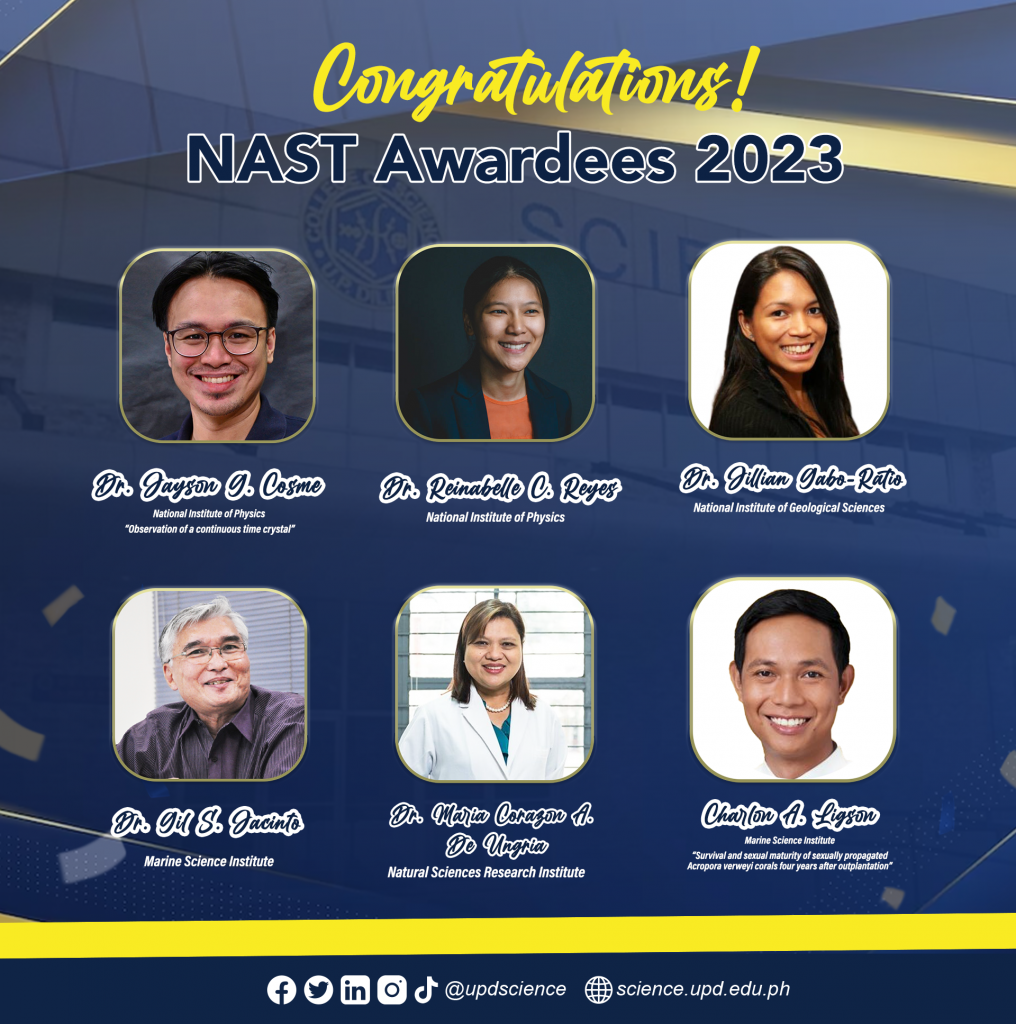
The Philippine National Academy of Science and Technology-Philippines (NAST) recently recognized six members of the UPD-CS community: two were named Academician; two were recognized as outstanding young scientists (OYS); and one won the grand prize in the 2023 NAST Talent Search for Young Scientists (NTSYS). Meanwhile an additional four UPD-CS researchers were highlighted in this year’s edition of the prestigious Asian Scientist 100.
New Academicians
The NAST is the Philippines’ highest scientific advisory and recognition body; its distinguished members are selected exclusively by the Academy itself and conferred the title, “Academician.” Gil S. Jacinto, PhD, of the UPD-CS Marine Science Institute (UPD-CS MSI) and Maria Corazon A. de Ungria, PhD, of the UPD-CS Natural Sciences Research Institute (UPD-CS NSRI), were recently inducted as Academicians for their respective work in marine chemistry and forensic DNA technology.
Jacinto’s research interests are in nutrient and trace elements in tropical marine environments, marine pollution chemistry, submarine groundwater discharge, hypoxia, and seawater carbonate chemistry. He was MSI director from 2000 to 2006 and established the Marine Chemistry and Pollution Laboratory at the MSI, the first chemical oceanography laboratory in the Philippines.
Meanwhile, De Ungria is known for her research in human population genetics and forensic DNA technology, which are invaluable tools for human identification in criminal investigation, disaster victim identification, and resolving parentage disputes. She provided technical assistance in drafting the Supreme Court Rule on DNA evidence, which was approved in 2007 and has since been used nationwide by the Philippine judicial system in handling sexual assault cases. She is the director of the Program on Biodiversity, Ethnicity, and Forensics at the Philippine Genome Center and concurrently heads the DNA Laboratory of the NSRI.
Outstanding Young Scientists
The NAST OYS award is given annually to Filipino scientists aged 41 and below who have made significant contributions to science and technology and have been published in reputable scientific journals.
Jillian Aira S. Gabo-Ratio, DEng, of the UPD-CS National Institute of Geological Sciences (UPD-CS NIGS), and Reinabelle C. Reyes, PhD, of the UPD-CS National Institute of Physics (UPD-CS NIP) were recognized as this year’s OYS in the field of earth resources engineering, and astrophysics, respectively.
Gabo-Ratio is an associate professor at NIGS, and is the institute’s officer-in-charge-deputy director for academic affairs. Her research interests are in economic geology, igneous and sedimentary geochemistry, geophysics, and tectonics. A topnotcher in the 2006 Geology Licensure Examination, Gabo-Ratio is a recipient of the UP Alumni of Michigan Centennial Professorial Chair (2021), One UP Faculty Grant (2019-2021), UPD Centennial Faculty Grant (2017-2021), and the UP System International Publication Award (2017-2022).
Reyes, an associate professor at the NIP, made worldwide headlines in 2010 with her paper, “Confirmation of General Relativity on Large Scales from Weak Lensing and Galaxy Velocities which confirmed Albert Einstein’s Theory,” which was published in the high-profile journal, Nature. In 2020, she established the NIP Data and Computation Research Group, which is focused on data-driven astrophysics and computational physics.
NTSYS Grand Prize
Cosme, an associate professor at the NIP, is a theoretical physicist specializing in condensed matter. His paper, “Observation of a Continuous Time Crystal” clinched the grand prize at this year’s NTSYS. He also headed a recent study of dark matter, which resulted in a Nature Materials paper entitled, “Condensate Formation in a Dark State of a Driven Atom-Cavity System.”
Asian Scientist 100
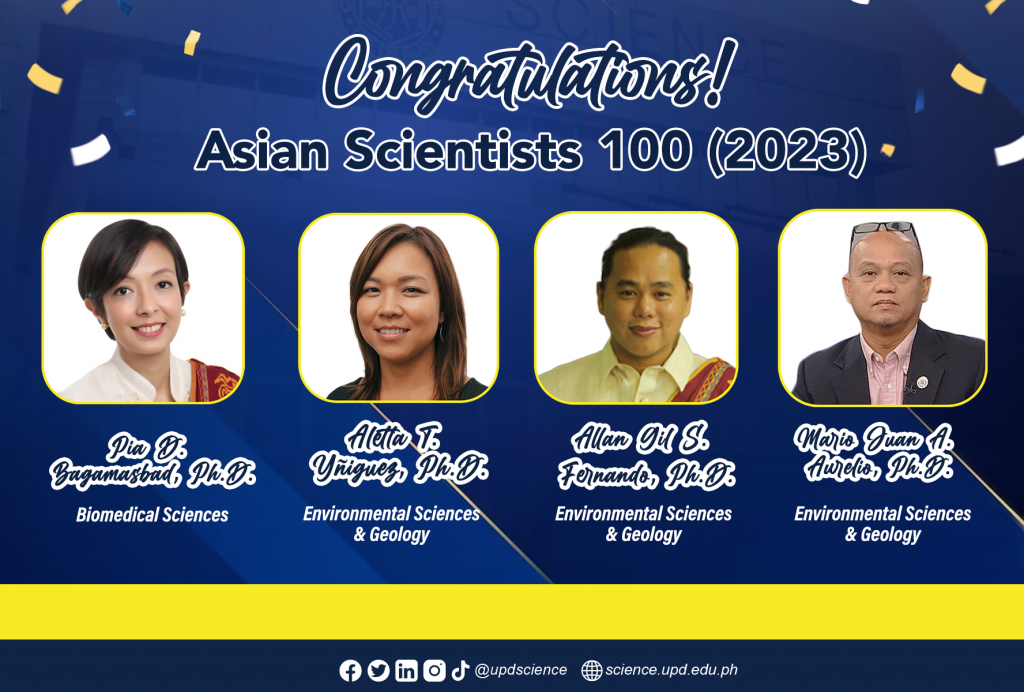
Meanwhile, Singapore’s Asian Scientist Magazine recently released the latest edition of its annual “Asian Scientist 100” list that fetes the region’s best and brightest researchers, touted as “Asia’s science superstars.” In the 2023 list are four scientists from UPD-CS: Pia D. Bagamasbad, PhD, from the UPD-CS National Institute for Molecular Biology and Biotechnology (UPD-CS NIMBB); Aletta T. Yñiguez, PhD, of the UPD-CS MSI; and Allan Gil S. Fernando, PhD, and Mario Juan A. Aurelio, PhD, of UPD-CS NIGS.
Both Bagamasbad and Yñiguez were Philippine Outstanding Women in the Nation’s Service (TOWNS) awardees in 2022, for respectively spearheading an RT-PCR training program for the detection of SARS-CoV-2 in support of the country’s COVID-19 response, and for developing and advocating sustainable fishing practices among local communities. In the same year, Fernando was awarded the National Research Council of the Philippines’ Achievement Award in recognition of his contributions to earth and space science. For his part, Aurelio’s contributions to structural geology and geodynamics education earned him the 2022 Gregorio Y. Zara Award for Basic Research from the Philippine Association for the Advancement of Science and Technology (PhilAAST).
For interview requests and other concerns, please contact [email protected].
MD-PhD alumnus chosen as Outstanding Young Scientist for contributions to women’s health
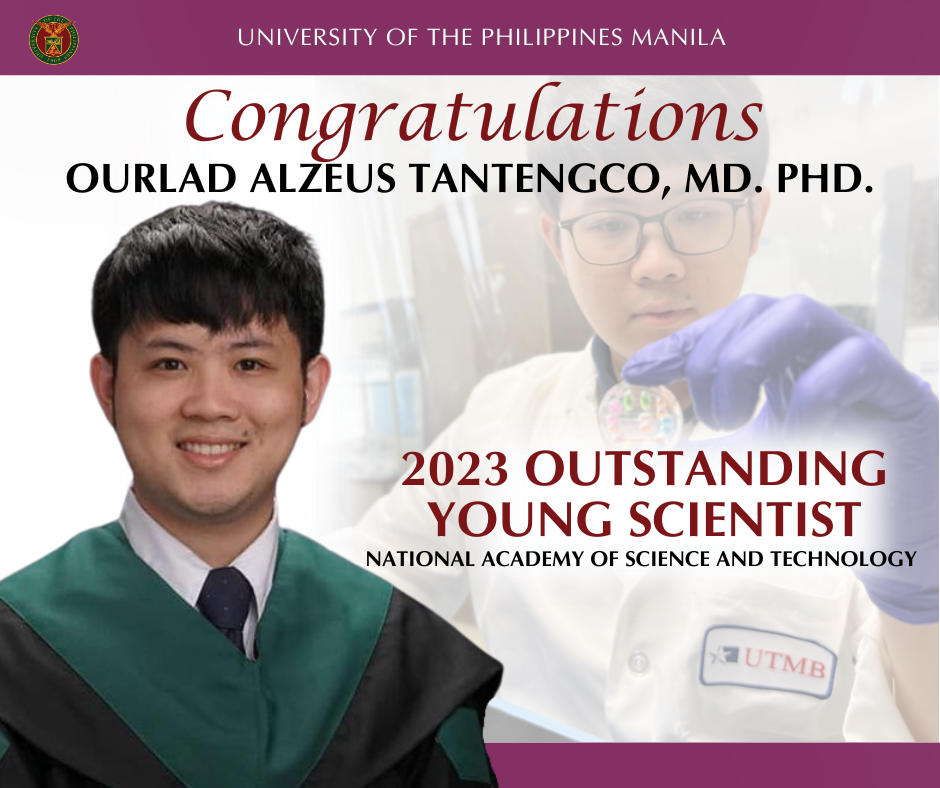
Dr. Ourlad Alzeus Tantengco, a postdoctoral research fellow of the UP College of Medicine Department of Physiology, is the recipient of the National Academy of Science and Technology’s (NAST) 2023 Outstanding Young Scientist (OYS) Award.
Dr. Tantengco finished his MD-PhD in Molecular Medicine at the UPCM.
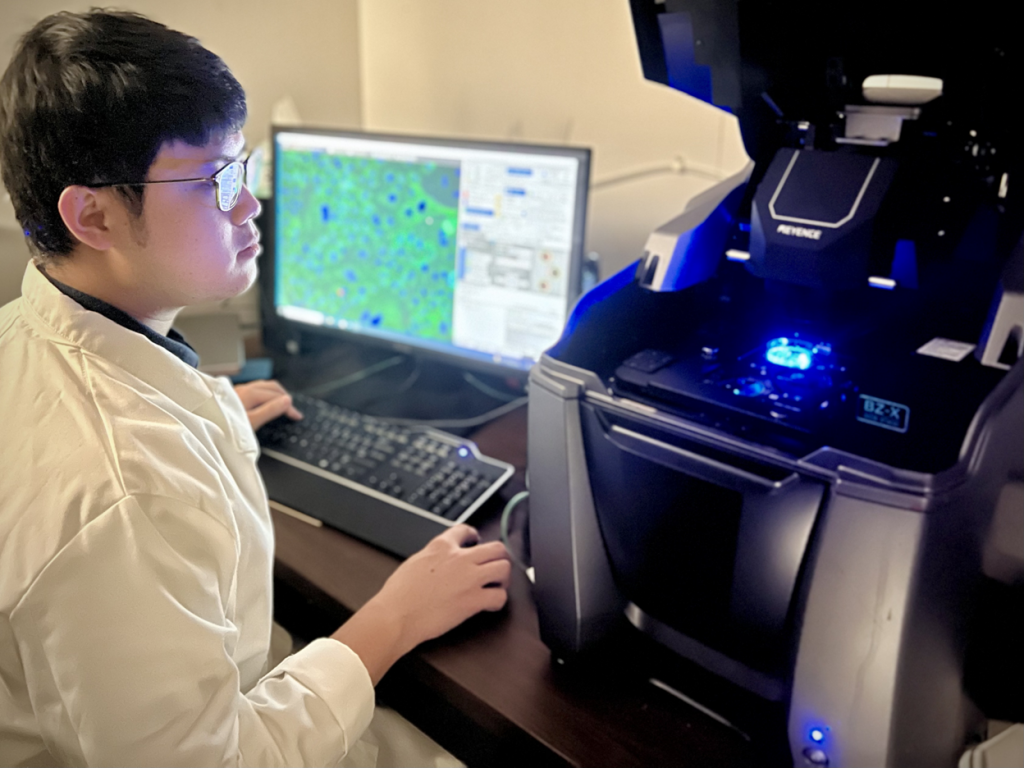
His research expertise lies in cellular and molecular research related to pregnancy and parturition. His innovative contributions include the development of organ-on-a-chip devices that utilize microfluidic technology to simulate maternal and fetal tissues during pregnancy. These devices have enabled him to investigate ascending infections in the female reproductive tract, offering opportunities for disease modeling, preclinical drug testing, and toxicological studies.
Dr. Tantengco’s research extends to clinical and epidemiologic studies in infectious and tropical diseases, as well as women’s health. His work and collaborations with other Filipino researchers include papers on the environmental epidemiology of leptospirosis, diagnosis of intestinal schistosomiasis, and identification of microRNA as prognostic biomarkers for hepatic fibrosis in schistosomiasis patients.
These community-based studies have led to the development of diagnostic and prognostic tools for schistosomiasis, while his involvement in studies on cytokine biomarkers for Filipino COVID-19 patients has provided valuable insights into the epidemiology and prognosis of COVID-19.
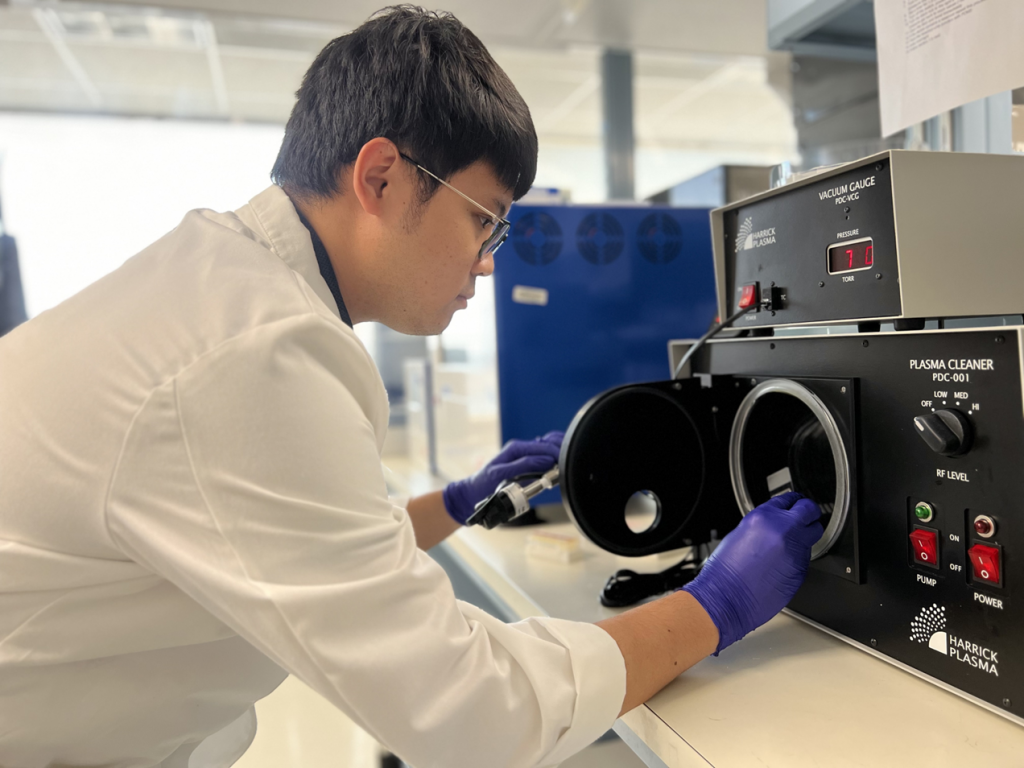
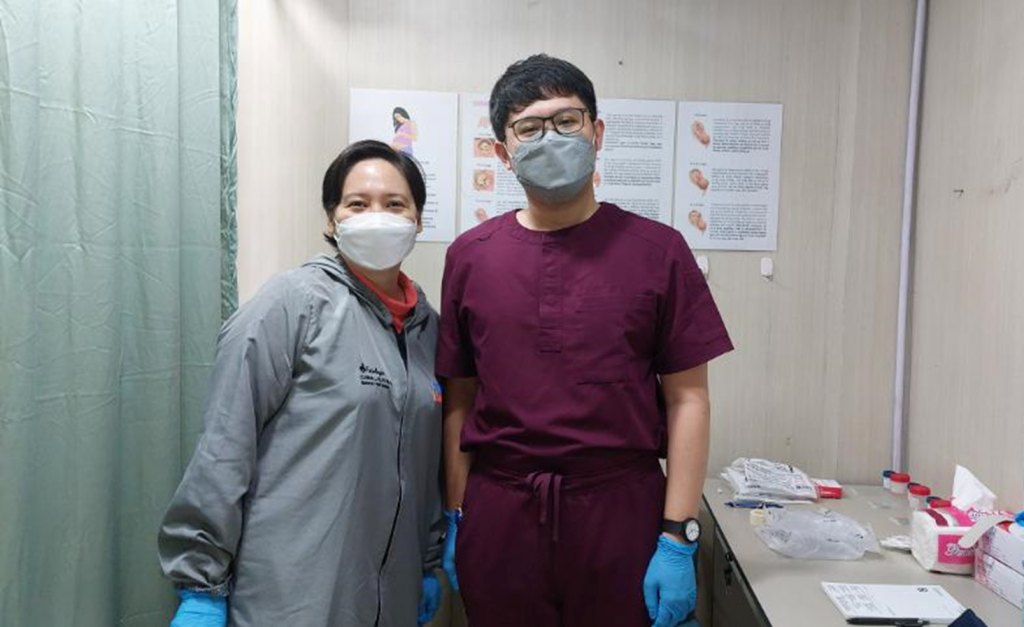
Among his current research projects, Dr. Tantengco is engaged in a randomized controlled trial aimed at improving diagnostic strategies for ovarian cancer in Filipino women. He has also conducted research on HPV genotypes and genetic mutations associated with cervical cancer in the Philippines. Additionally, he serves as a co-investigator and community physician in a community-based study focused on detecting cervical human papillomavirus infection and sexually transmitted infections among women in the Philippines.
His study on the co-infection of HPV and sexually transmitted infections among cervical cancer patients in the Philippines received the best oral presentation award at the 23rd Biological Sciences Graduate Congress at Chulalongkorn University, Thailand. Furthermore, his research on the role of cervical exosomes in pregnancy earned him the silver award in the poster competition at the American Society for Reproductive Immunology 40th Annual Meeting.
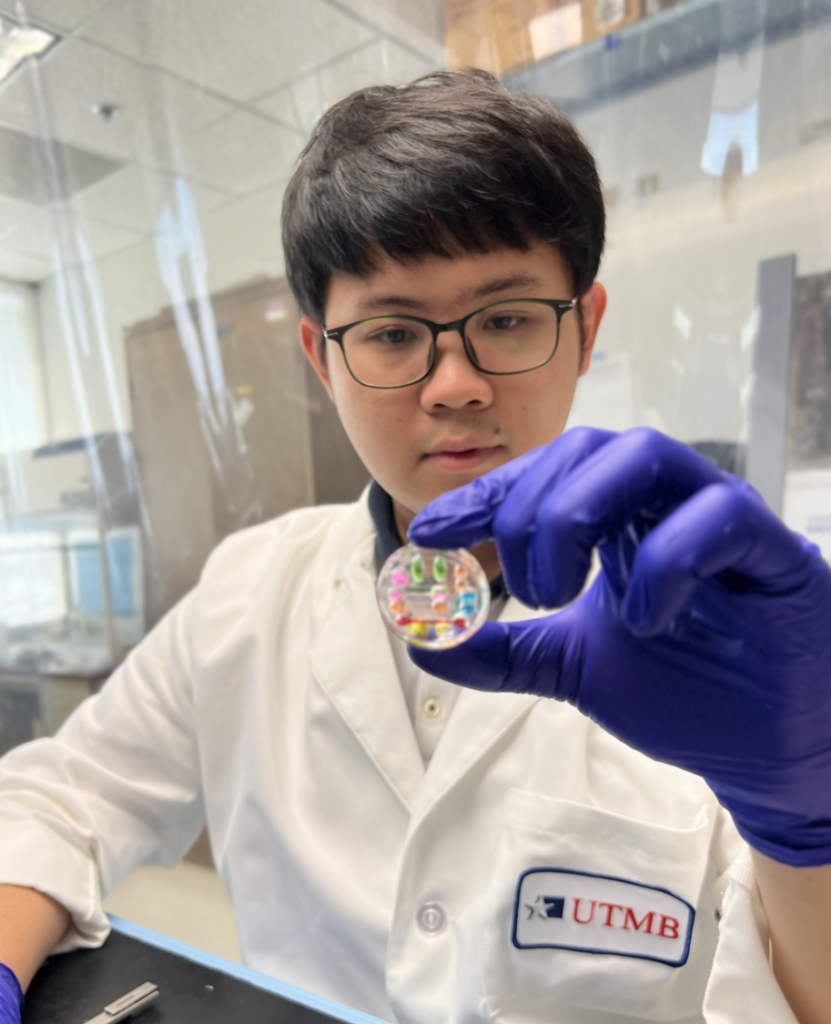
Dr. Tantengco is actively involved in various clinical research projects within the field of maternal-fetal medicine. In addition to his research endeavors, Dr. Tantengco actively engages in teaching and mentoring future physicians and scientists. He has also served as a co-adviser to BS Biology students at the UP Manila and Bulacan State University. In 2022, he established the Medical Informetrics and Science Laboratory, comprising approximately 150 medical students and doctors. He serves on the editorial board of the Pharmacognosy Journal and Obesity Medicine.
Beyond his academic pursuits, Dr. Tantengco has made significant contributions as a health blogger and utilizes his clinical expertise to educate the public about health and diseases. He has created the platforms “Doktor Doktor Lads” and “Kalusugan ng Kababaihan” on Facebook, which have attracted over 340,000 and 24,000 followers, respectively. Through social media, he actively promotes health and combats misinformation by sharing freely accessible health articles written in layperson’s terms.
Source: https://www.upm.edu.ph/node/4270
CEd alum among educ licensure topnotchers

A UP Diliman (UPD) College of Education (CEd) graduate was among the topnotchers in the March 2023 Licensure Examination for Professional Teachers (LEPT).
Mikaela Andrea Bonador was among the six individuals who topped the elementary level of the examination with a 92.2 percent rating. Also included in the top 10 is Mikaela Isabel Almalvez, who ranked eighth with a 90.8 percent rating.
Together they lead the seven examinees who passed the LEPT, giving UPD an 87.5 percent passing rate for this category.
A native of Occidental Mindoro, Bonador graduated magna cum laude with a bachelor’s degree (elementary education) in 2020.
In a video interview with GMA Integrated News, Bonador said she intends to stay in the country to practice her profession.
“Naniniwala po kasi ako sa power ng education at sa importance po ng paniniwala sa mga bata, sa students. Tulong-tulong po na mas ma-improve po nila ang society natin,” she said.
For the secondary level, UPD landed sixth among the top-performing schools, with a 94.23 percent passing rate.
The Professional Regulation Commission and Board for Professional Teachers define a top-performing school as one that fielded more than 50 examinees and achieved at least 80 percent passing rate.
Both garnering a 91 percent rating, Joy Charisse Bulan and Joan Ivy Garcia are among the 20 who ranked 10th in the examination.
Source: https://upd.edu.ph/ced-alum-among-educ-licensure-topnotchers/
UPOU Chancellor receives the prestigious CalamBagong Bayani Award 2023
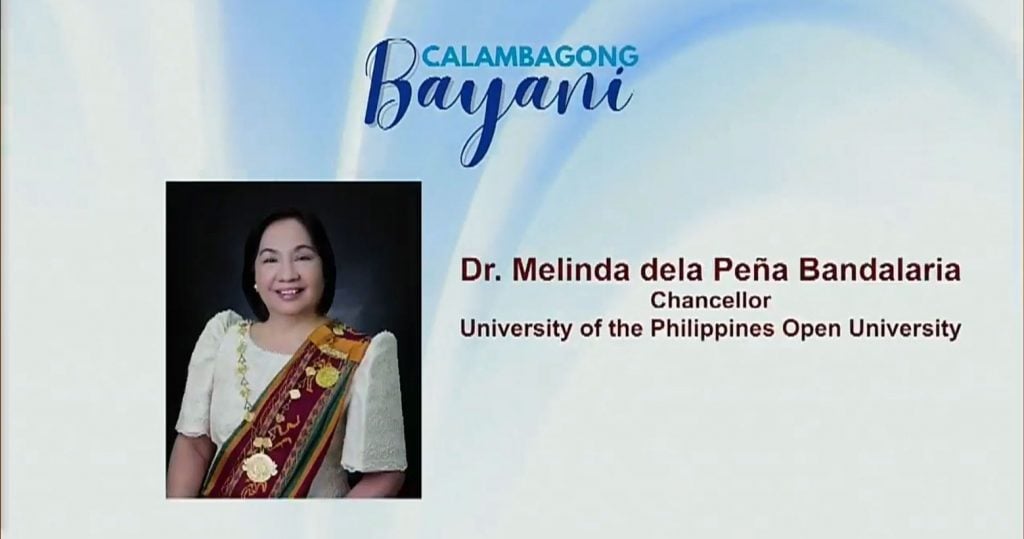
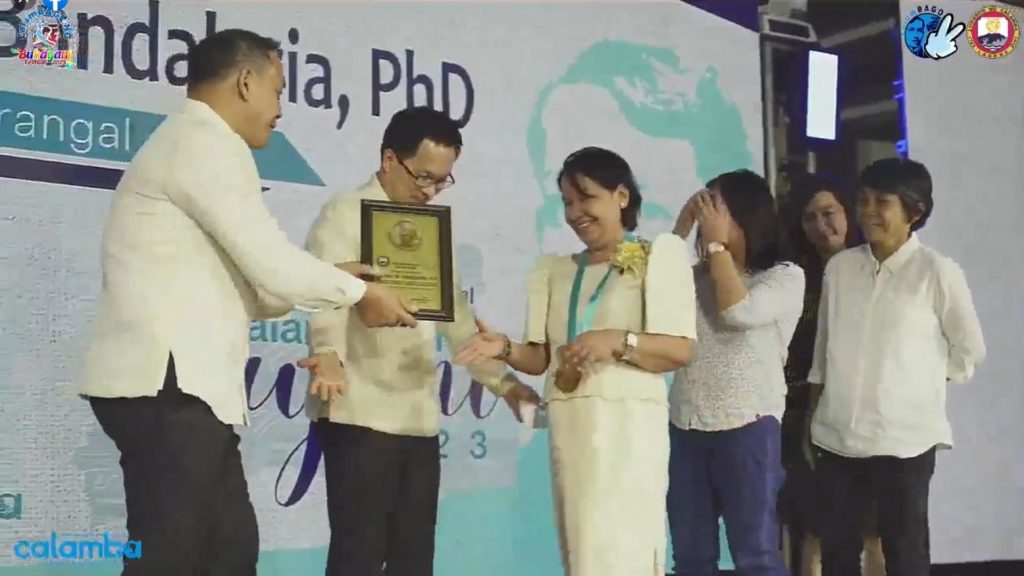
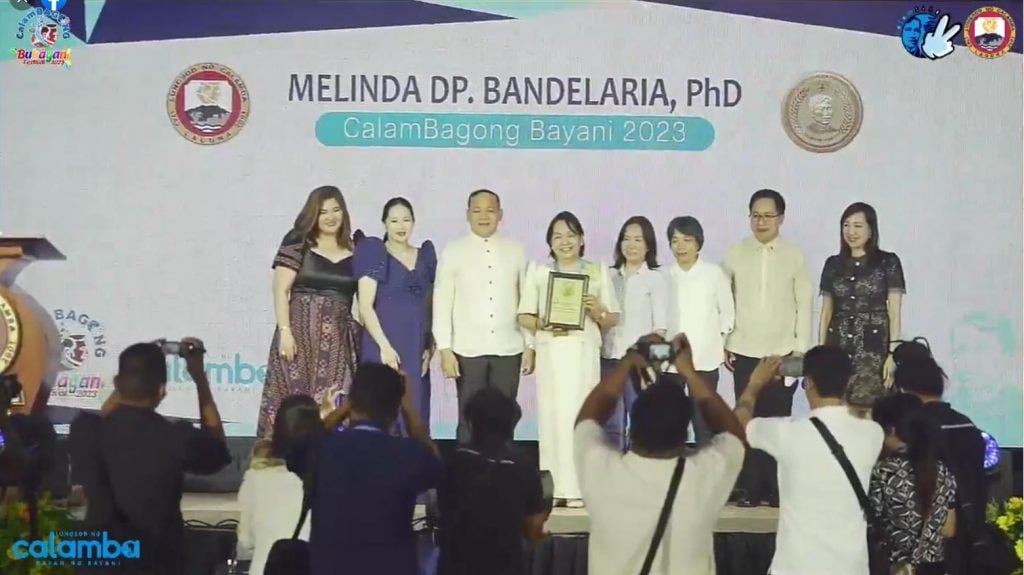
UP Open University (UPOU) proudly congratulates Chancellor Melinda dela Peña Bandalaria on receiving the prestigious CalamBagong Bayani Award 2023. This esteemed recognition pays tribute to Calambeños, who demonstrate outstanding abilities and make significant contributions to the community’s overall progress. Reflected in their lives are qualities that can be likened to modern-day heroes, serving as an inspiration to their fellow Calambeños.
Congratulations, Chancellor Mel!
Photos courtesy of Calamba City Iipeso FB page.
Source: UP Open University (UPOU) Facebook
UPV alumna is 1 of 2 grantees of ₱500,000 from iAcademy and Netflix INDIEGENIUS project lab

A Capizeña and UPV alumni wins at INDIEGENIUS!
Southern Lantern Studios is proud to produce one of the only 2 grantees of ₱500,000 from the INDIEGENIUS of iAcademy and Netflix.
INDIEGENIUS is the first ever month-long film mentorship program that aims to hone the talents of regional filmmakers from all over the Philippines. This year, out of 300 submissions, KYD TORATO’s “Bisan Abo, Wala Bilin” qualified as one of the Top 10 projects that will be pitched to the INDIEGENIUS Jury. After a long and competitive process, Kyd finally got the grant to produce her second short film after her stint at Cinemalaya last year.
Kyd is mentored by Arden Rod Condez with Sonny Calvento, Sheron Dayoc, and Tin Velasco. Her team plans to shoot the film in her hometown, Capiz, and targets to release it by November.
Indeed, it’s an exciting year for regional cinema! Congratulations, Kyd Torato!
Source: Southern Lantern Studios Facebook